Case & Session Management for Law Firms
In a law firm, work is measured by the case, not by the hour. Each case is its own file, with deadlines, documents, and assigned lawyers, and one missed step can cost a client dearly. When someone asks for the next hearing date in a specific matter, the answer should be immediate, not buried in paper folders and inboxes. That is why legal case management systems have become central to modern legal practice.
The old way: scattered files
In many firms, the case file still lives in pieces. Documents sit in a paper folder, correspondence stays in email, deadlines are saved in one lawyer's calendar, and hearing notes remain in a notebook. Once a file moves from one lawyer to another, or management asks for a status report across all open matters, staff have to reconstruct the record by hand.
The deeper problem is not the effort of collecting information. It is the risk created by fragmentation. A hearing date may exist in only one calendar and be missed when that person is absent. A decisive document may be saved in a folder that the next lawyer cannot access. A court ruling may arrive without being linked to the original case, so its effect disappears from the file. What seems like a minor administrative lapse at the time can help decide the outcome of a case months later.
This is the problem that legal case management systems solve: they turn the case file from scattered records into one unified record that connects everything related to the matter.
What changes in daily work with legal case management systems
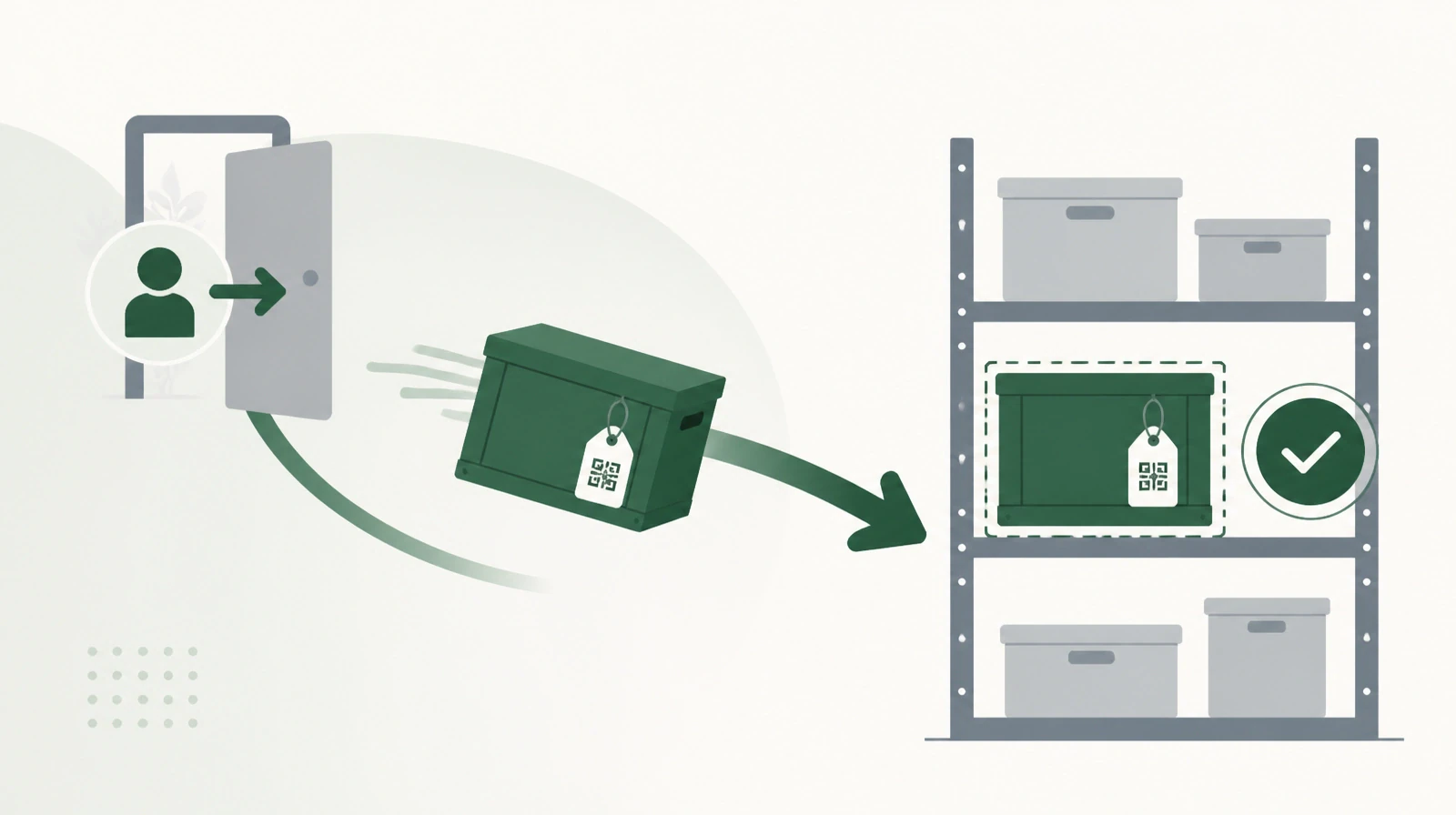
A legal case management system is built on a single case record that connects the parties, deadlines, documents, and notes in one place. At the center is the smart case file: one page that brings together the history of the matter, its parties, hearings, and documents, so the lawyer does not have to move between separate systems. When the file opens, whoever is handling it can immediately see the next hearing, the last memo submitted, and which team member is responsible for each part of the work.
Two functions sit on top of that unified file. The first is support for Hijri and Gregorian calendars together. Hearings and procedural deadlines can be tracked on both calendars, which is a practical requirement in work that deals with courts on the Hijri calendar and clients and administration on the Gregorian calendar. The next hearing may be entered in Hijri, while a client reporting deadline is entered in Gregorian. The point is simple: the system should not force lawyers to convert dates manually every time, because each conversion creates another chance for error.
The second function is hearing reminders. A useful reminder arrives well before the session, so the matter does not depend on one lawyer's memory. Good reminders do not appear on the same day only. They begin several days earlier and escalate over time: an early alert for preparation, then a closer reminder for confirmation. When more than one person on the team receives the alert, the risk of missing a deadline because one person is away becomes much lower.
Team permissions determine who can view a case file and who can edit it, because client confidentiality is built into legal work. In a firm that handles matters with opposing parties, two lawyers may be working on opposite sides of the same dispute. In that situation, preventing internal information leakage is a technical requirement, enforced through fine-grained access control on each file.
The immediate result is that deadlines shift from hidden risk to controlled steps; less paper follows on its own.
What determines whether a case-management system works
Legal case management systems usually fail in two situations. The first is when the system is built as a generic template that does not distinguish between case types, forcing the firm to fit its work to the software. The second is when the system becomes an archive of past activity instead of a record lawyers consult when making decisions.
The first selection criterion is fit with local legal work. A commercial case does not move through the same stages as a labor or criminal case, and the Hijri calendar is an operating requirement, not an optional feature. Any system that ignores those differences asks the firm to adapt to the template instead of the template adapting to the work.
The second criterion is ease of daily entry. If adding a hearing note right after a session requires opening several screens, lawyers will not use the system under time pressure, and they will return to paper notes. A system that lets a lawyer enter a short note quickly and complete it later is more likely to become part of daily practice. The minutes immediately after a hearing are often the best time to record what happened, and any friction at that point means details are lost.
The third criterion is protection of client confidentiality. In a firm that handles matters with opposing parties, it is not enough to mention confidentiality in policy documents. The rule has to be enforced technically through file-level access control, so a lawyer cannot view what does not concern them, and an internal memo cannot reach a lawyer acting for the other side in a related dispute.
When open cases reach the dozens
Once a firm is handling dozens of open cases at the same time, a basic management question becomes difficult: what is the status of the portfolio today? Without a unified system, the periodic reports requested by the managing partner can take days to assemble. Lawyers also rotate on the same matter, which means handover has to preserve context. When a new lawyer inherits a case started by a colleague who has left the firm, they need one continuous record, not a set of papers whose story has to be pieced together again.
A quick review before choosing
Start with a simple review. How many open cases do you have today? How many separate systems do lawyers use now, such as email, calendars, and folders? How many deadlines were missed last year because of a tracking error? Those answers usually make the requirements clear.
Jlsa from Renewable Systems is built for legal case management in law firms, with a unified case file, Hijri and Gregorian calendars, and hearing reminders. Because legal work also involves a large volume of sensitive files, the guidance in protecting contracts and documents from leaks is directly relevant to client confidentiality as well.
A case managed through one file is far less likely to lose its deadlines. A case scattered across paper and email leaves the next hearing exposed to chance.