Cutting Asset-Custody Costs
A large Saudi industrial group manages thousands of assets across its headquarters and multiple sites: computers, equipment, communications devices, and physical items issued to employees. That arrangement can appear manageable on manual records, until a seasonal wave of departures turns asset recovery into a long and expensive chase.
This study documents what changed when the group moved to an asset and digital custody management system. As in all our case studies, the client remains unnamed to protect confidentiality.
The challenge: an asset goes missing, and no one knows where
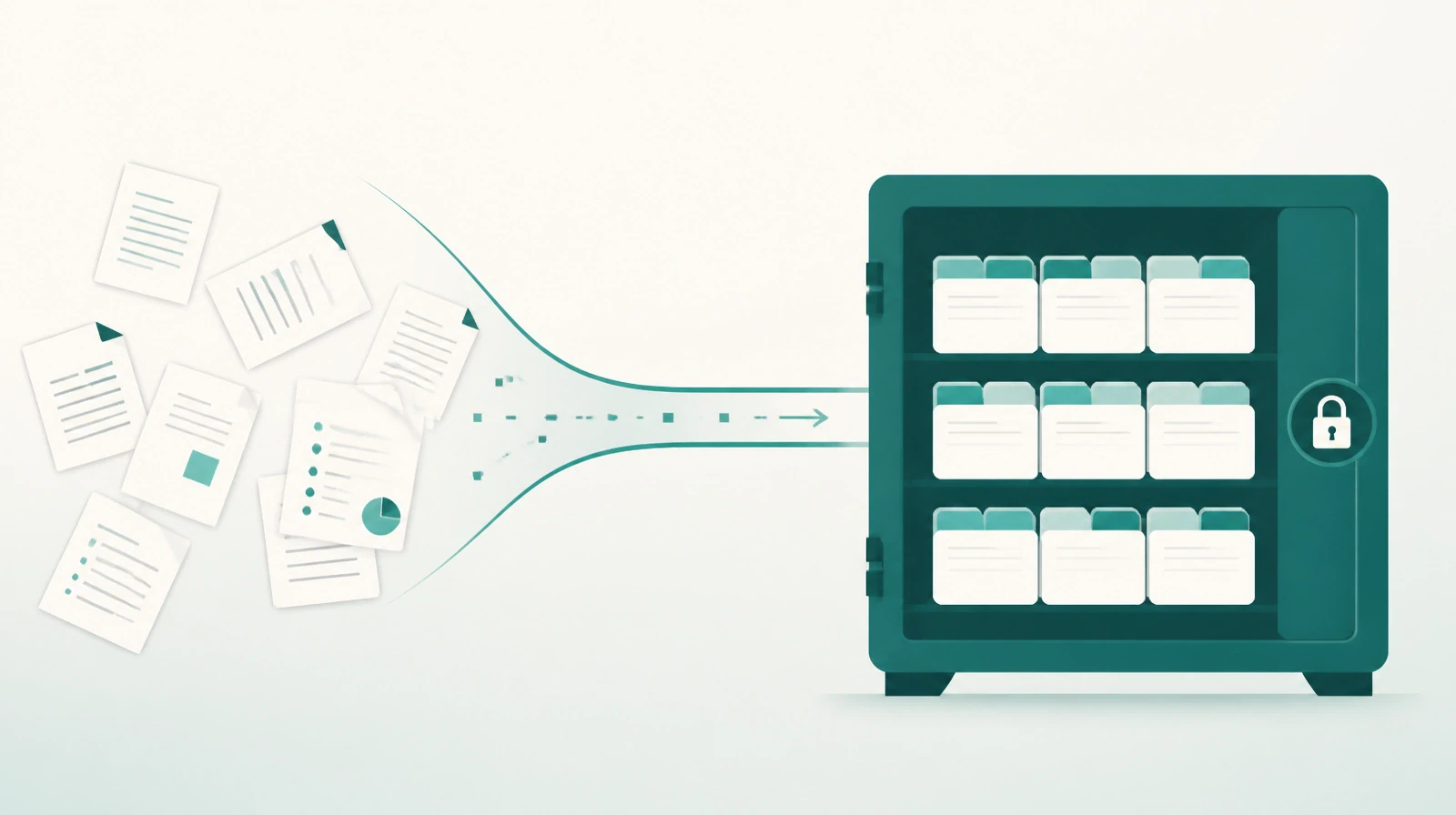
Custody records lived in spreadsheets that were updated at handover and often ignored at recovery. Over time, the record stopped matching reality. The clearest signs of the gap were simple:
- A laptop linked to a former employee, with no clear proof it had ever been recorded in that person's custody.
- Access rights on a departing employee's accounts that remained active for weeks after departure.
- Hours spent on calls and messages to recover an asset whose value could be lower than the cost of pursuing it.
The deeper issue was procedural. Recovery was not built into the offboarding process; it started only after an incident came to light. By the time a missing asset was noticed, time had passed and cost had already built up.
The solution: a digital record for every asset and custody item
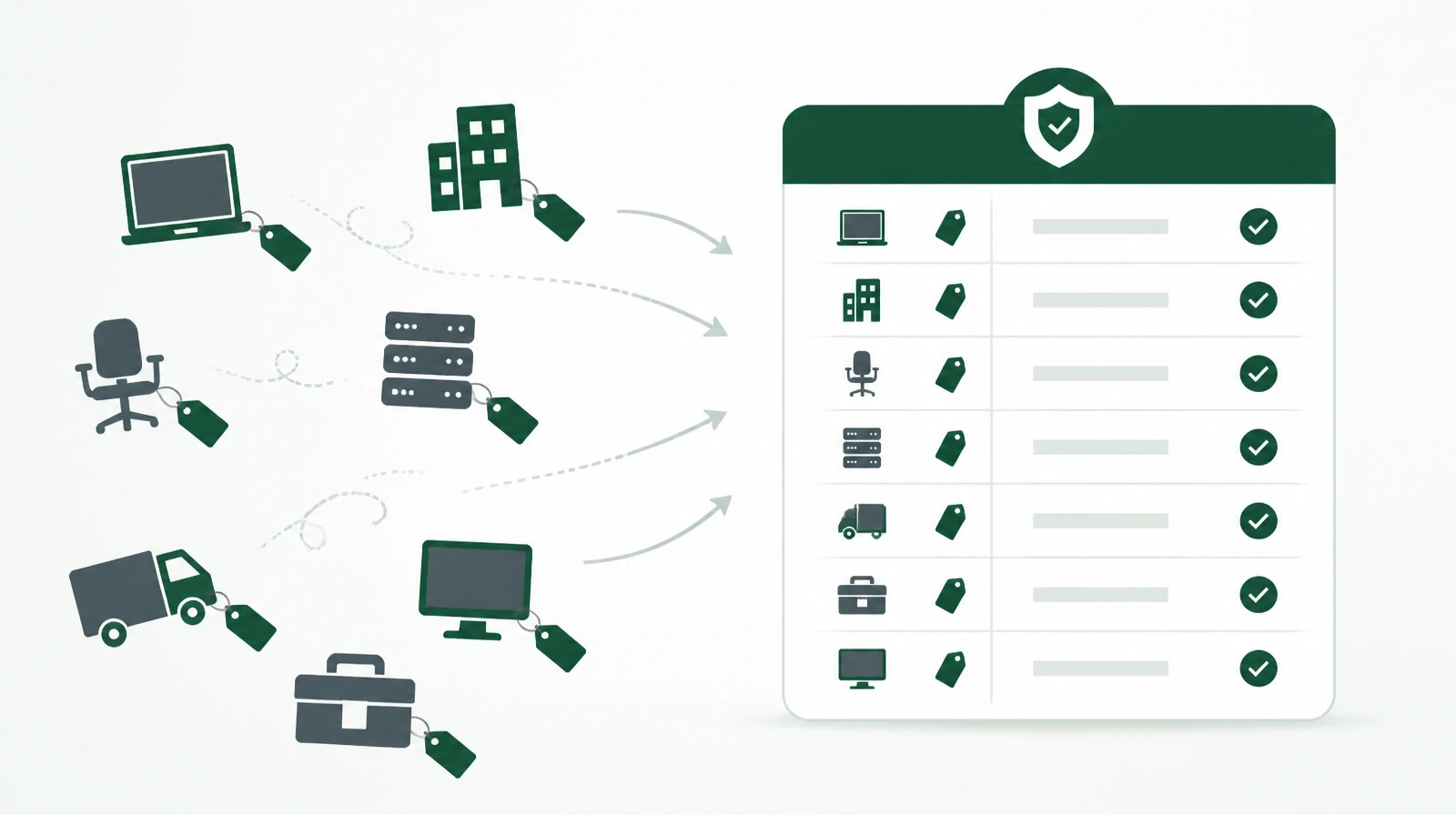
The group deployed an asset and custody management system that assigns every asset a digital record and turns recovery into a documented checklist. Each custody item is linked to its holder, each asset carries a verifiable code, and staff holdings can be reviewed without pulling together scattered spreadsheets.
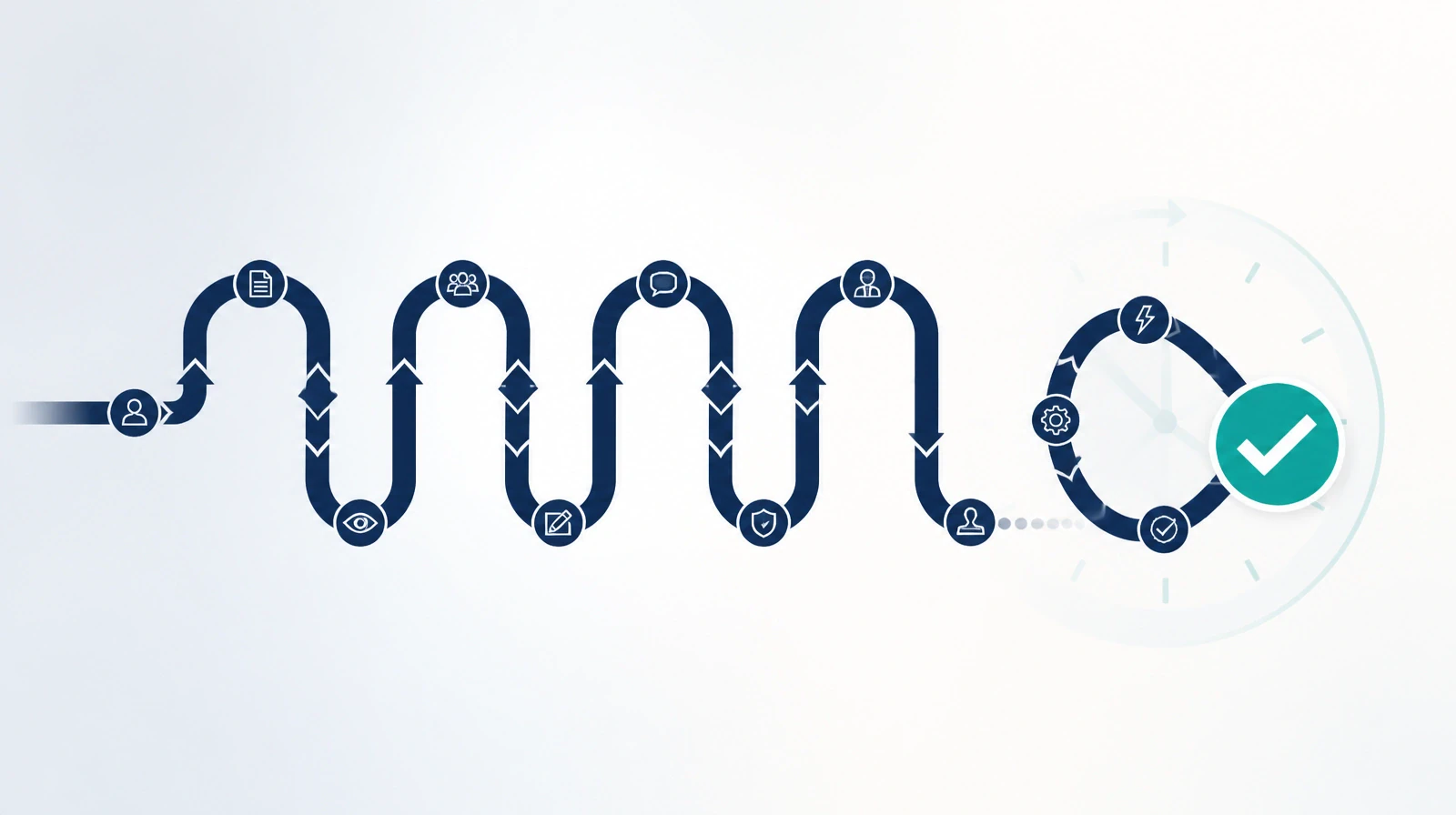
The main improvement is that offboarding recovery becomes a data-based step rather than a memory-based one. When a departure is recorded, the system shows what is in that person's custody automatically, so assets are collected or formally settled before the file is closed. Recovery happens before loss is absorbed into the business, not after.
At management level, what we described in asset custody and offboarding recovery shifts from a defensive response to a routine process: custody is recorded, recovery is documented, and closure is blocked until settlement is complete.
The outcome: recovery became a checklist
After the move to the system, asset recovery during offboarding fell from a chase that could run for weeks to a checklist completed within two working days on average, before the departure file was closed rather than after. Based on losses avoided, repeat purchases prevented, and administrative time no longer spent on follow-up, the group estimated annual savings at roughly a quarter of a million SAR.
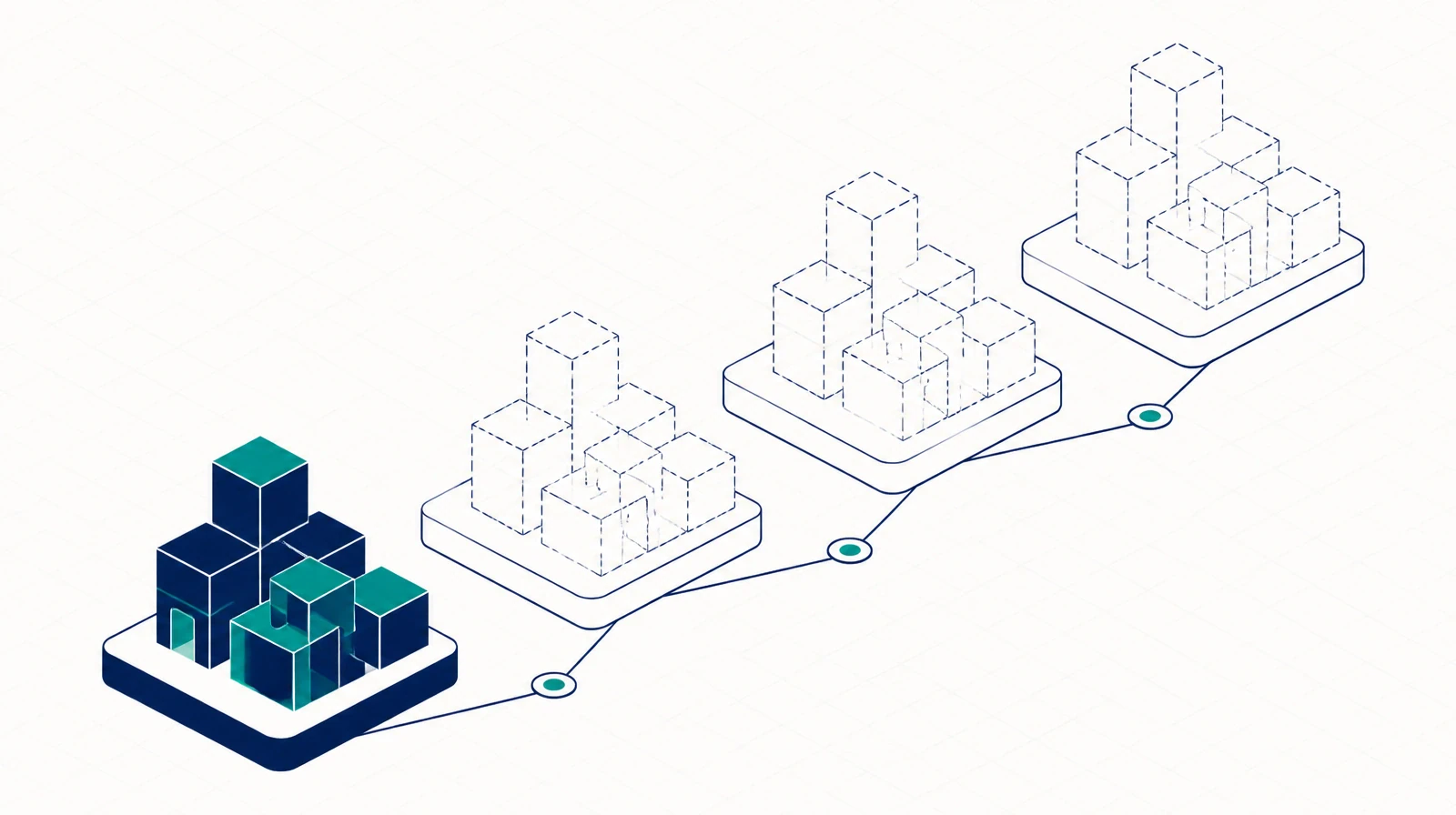
Just as important, the gap between recorded assets and assets actually present fell from double digits at the first reconciliation to low single digits after a year of operation. When a site needed a quick inventory, the answer was available in minutes instead of requiring days of manual counting.
What changes when inventory matches reality
Before deployment, inventory was a yearly exercise that took weeks to prepare and often ended with a gap between recorded numbers and actual assets, written off as "operational waste". Once the record updated automatically with each handover and recovery, inventory stopped being a separate event and became an ongoing condition. When an auditor asked for an asset report for a site, it was available in a short time.
The more important change was in decision-making. When asset data is reliable, replacement and purchasing decisions are based on what is actually present, not on what people assume is present. Devices are replaced when there is a real need, not when a loss is discovered too late.
Accountability also became clearer. When every custody item carries a name and date, the question "who holds this device?" has an immediate answer instead of opening an investigation. That clarity reduces much of the daily friction between departments and replaces verbal assumptions with a written record.
In short
When asset recovery at offboarding becomes a step built on documented data rather than individual memory, what used to be a recurring burden after each loss becomes a routine process completed before the file closes. That shift is what reduces the hidden cost of managing assets and turns inventory into a standing condition instead of a yearly event.
To see what this change could look like in your organization if custody still sits in manual spreadsheets, start with Osol asset and custody management system.