Custom Web / Flutter Delivery
When off-the-shelf systems do not cover a specific institutional need, the client has one path left: build a custom system that matches how it works. That is what a large Saudi group faced when it needed an internal web application to support its daily work and a mobile app to reach its field staff. The client wanted a partner that would deliver both within a defined schedule, not separate vendors.
This study records the project delivery at Renewable Systems for Information Technology. The client's name and commercial details stay confidential; what follows is how the delivery ran.
The challenge: one system that did not serve the purpose
The client had an aging web system that could not keep up with its operations, and no mobile channel that reached its field team. The group faced two options, both costly: either one vendor for the web app and another for the mobile app, creating a gap between the two and doubling coordination cost; or attempting to repair the old system beyond what its rising maintenance cost would bear.
What the client actually needed was a web interface to manage operations from the offices, and a mobile app that reached the field, both running on unified data so information was not entered twice. The delivery condition was clear: within a schedule, at a quality that matches proven enterprise systems.
The solution: one team delivering both interfaces
Renewable Systems delivered the project through custom web application services covering both interfaces. The web front was built on a stable enterprise framework, and the mobile app came with Flutter, Google's technology for building one app that runs on iOS and Android alike, which removes rebuilding for each platform separately.
What makes this kind of delivery work is less the tool than the approach: a clear scope from the outset, coordination between the two ends of the system on unified data, and delivery tracked against a fixed schedule. The choice between a pure web stack and Flutter is not automatic, and we laid out its criteria in why enterprises choose Flutter. For the broader question of when custom build is the right move at all, we have a separate piece on building custom enterprise web apps.
The outcome: delivery within the agreed schedule
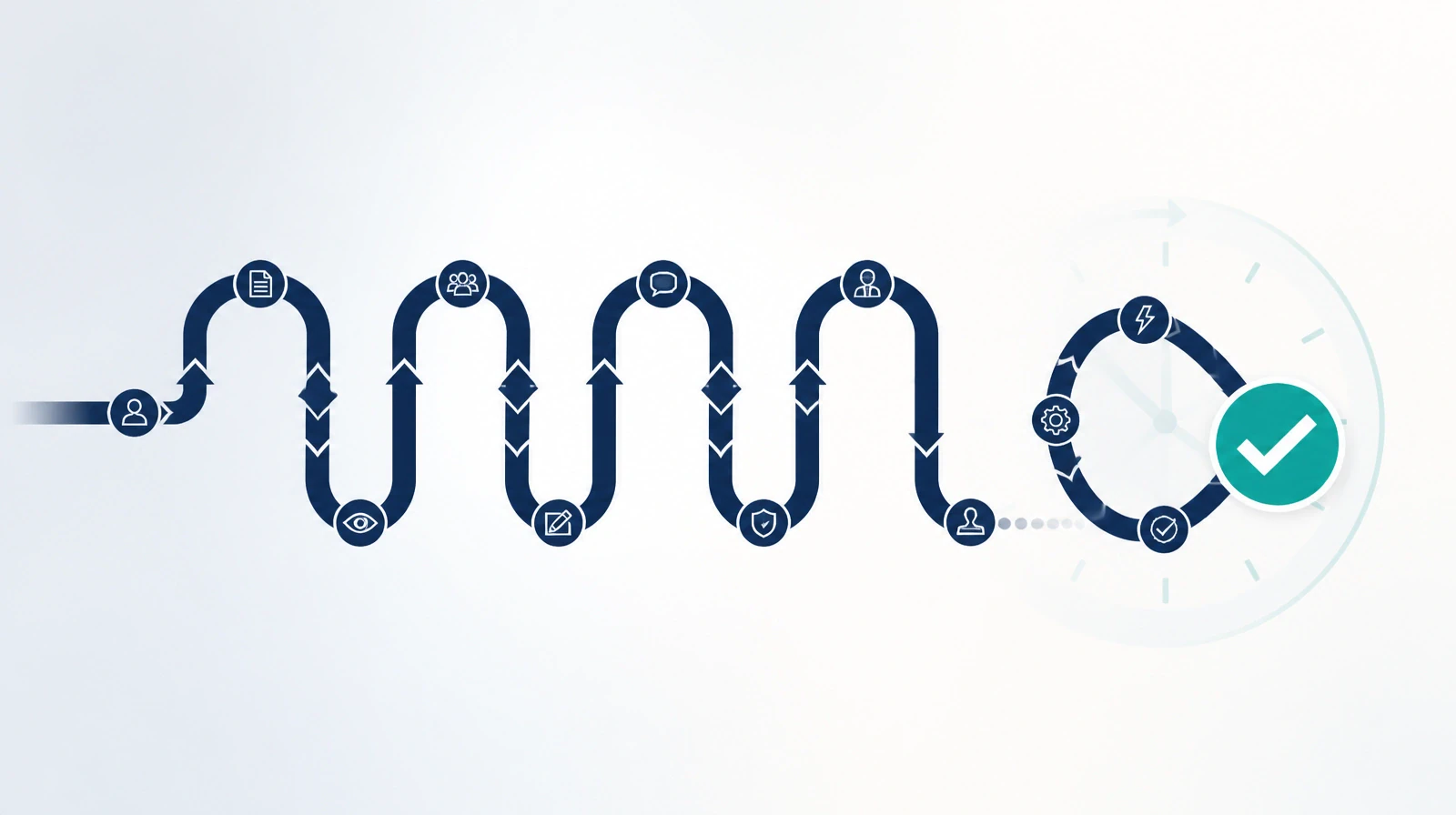
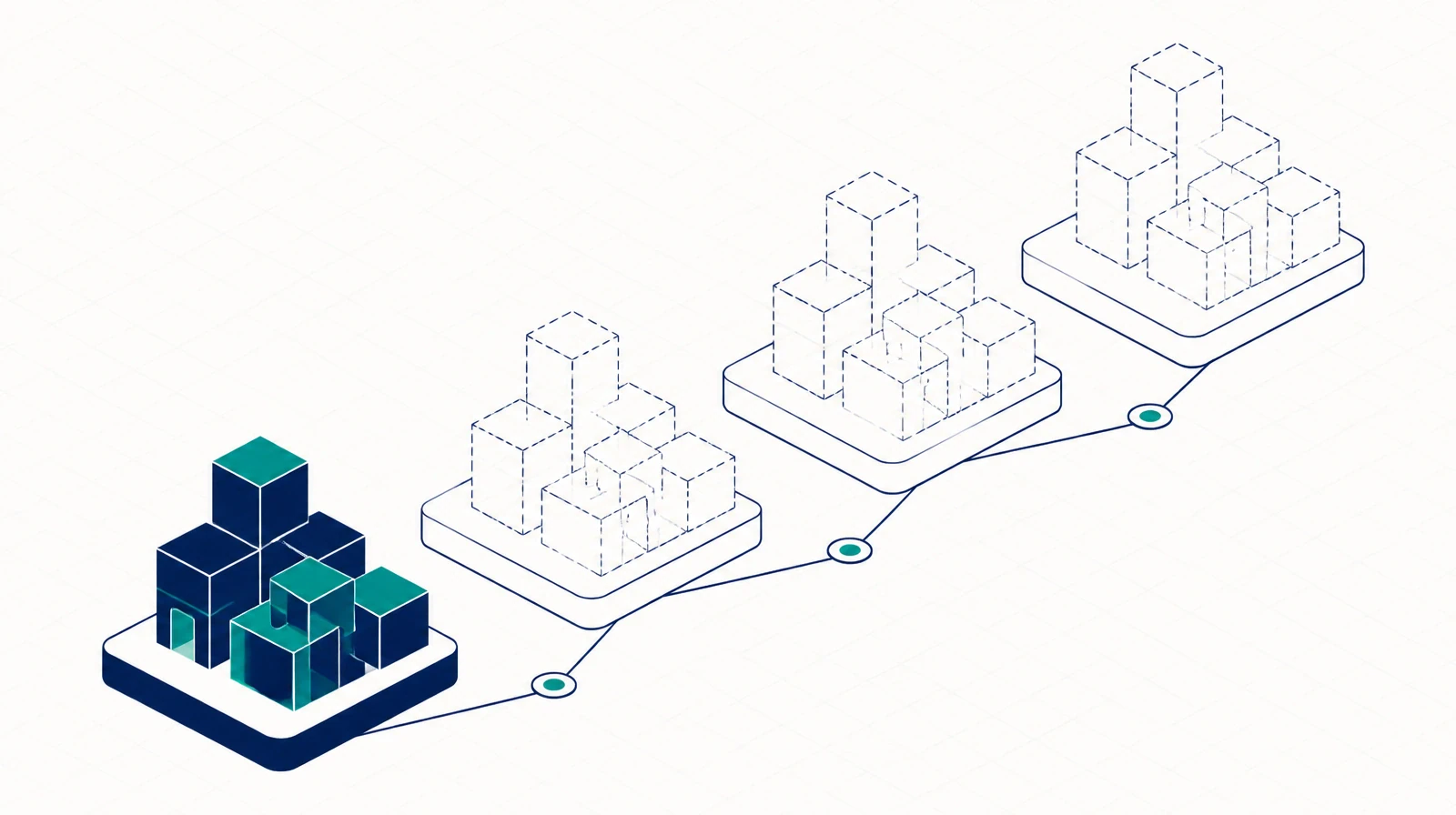
Renewable Systems delivered both systems in roughly six months across three delivery phases, within the agreed schedule, running on a unified data source so information was not entered twice. The web interface serves office work, and the mobile app reaches the field team, without the two operating in isolation.
More important, the client received a system supported by one team, not two separate ones. When a change arises or a new need appears, there is one door, and the change reflects across both interfaces without multi-vendor coordination.
What decides whether a custom delivery succeeds
Custom build usually fails not because of weak code but because of an unclear scope. When a project starts without firm agreement on what enters the delivery and what stays out, the scope shrinks or expands at every meeting, the deadline slips, and the cost doubles. So the first step on this project was fixing the scope in writing before any line of code.
The factor of equal weight is data ownership. When one team builds both interfaces on a unified data source, the need to synchronize between two systems disappears, and that synchronization is a constant source of breakage in projects split across vendors. Information is written once and read from two ends, which is a structural simplification, not just operational convenience.
And the question that sometimes gets dropped is what comes after delivery. A system that is handed over and then left without support quickly turns into a burden. Here the delivery condition was that the line of support stayed single, so any change or fix went through the same team that built the system and knew where to put its hand.
In short
A custom system earns its place when the need is specific enough that the off-the-shelf option cannot cover it. And a partner's value shows not in writing code but in delivering a clear scope on schedule, on unified data, with a single line of support when changes arrive.
If your organization needs a system that matches how you work without falling into the trap of separate vendors, see the details of our custom web application services.